How to Handle Shipping on a Small E-Commerce Site
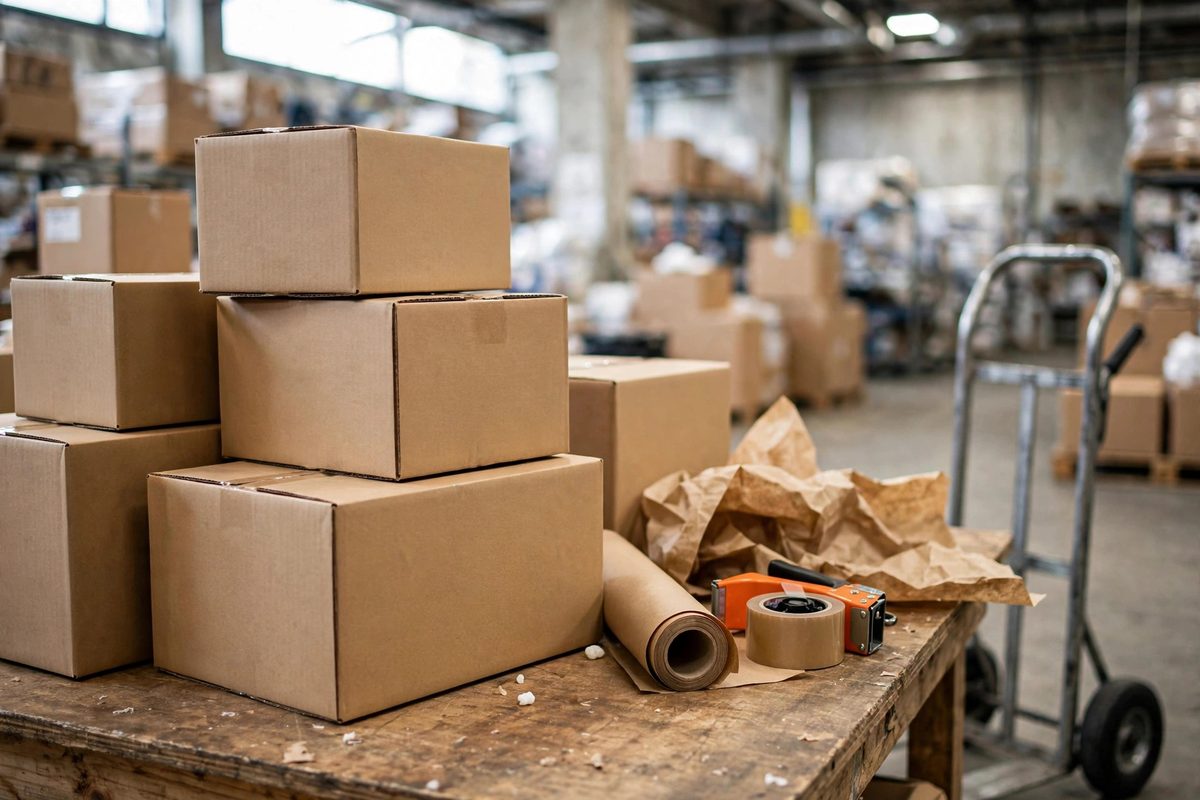
For small online stores, ecommerce shipping is where profit margins go to die — or where smart strategy creates an advantage. Big retailers have negotiated rates and warehouses everywhere; you have a spare room and a scale. But small stores can still ship profitably and delight customers by choosing the right carriers, pricing shipping honestly, and keeping operations simple. This guide covers the practical shipping decisions every small store owner faces.
Ecommerce Shipping Basics: Choose the Right Carriers
In the US, most small stores use some combination of USPS, UPS, and FedEx. USPS is usually cheapest for lightweight packages under a few pounds, especially with cubic pricing for small, dense items. UPS and FedEx become competitive for heavier packages and offer more reliable tracking and faster guaranteed delivery. Regional carriers can beat all three on price within their service areas if your customers cluster geographically.
You do not need accounts with everyone on day one. Start with one primary carrier plus USPS as a backup, buy labels through your platform or a shipping tool to access discounted commercial rates, and expand only when volume justifies it. If you are still setting up your online store, get shipping configured before you launch, not after.
Price Your Shipping Honestly
You have three basic options: charge exact shipping costs, charge a flat rate, or offer free shipping and build the cost into your prices. Exact-cost shipping is fairest but unpredictable for shoppers. Flat-rate shipping is simple and transparent — one price regardless of order size — which customers like. Free shipping (usually over a minimum order value) converts best but requires you to know your average shipping cost per order precisely so you do not lose money — which is why shipping belongs in your product pricing strategy.
Whatever you choose, show shipping costs early. A shopper who discovers a $14 shipping charge at checkout feels tricked; the same shopper who saw "$6.95 flat-rate shipping" on the product page barely notices. Transparency at every step is the cheapest conversion optimization you can do.
- →Set a free-shipping threshold slightly above your average order value to lift sales.
- →Display estimated delivery dates, not just "3-5 business days" — dates feel more reliable.
- →Weigh and measure every product once, and store the dimensions in your system.
Keep Packaging Simple and Protective
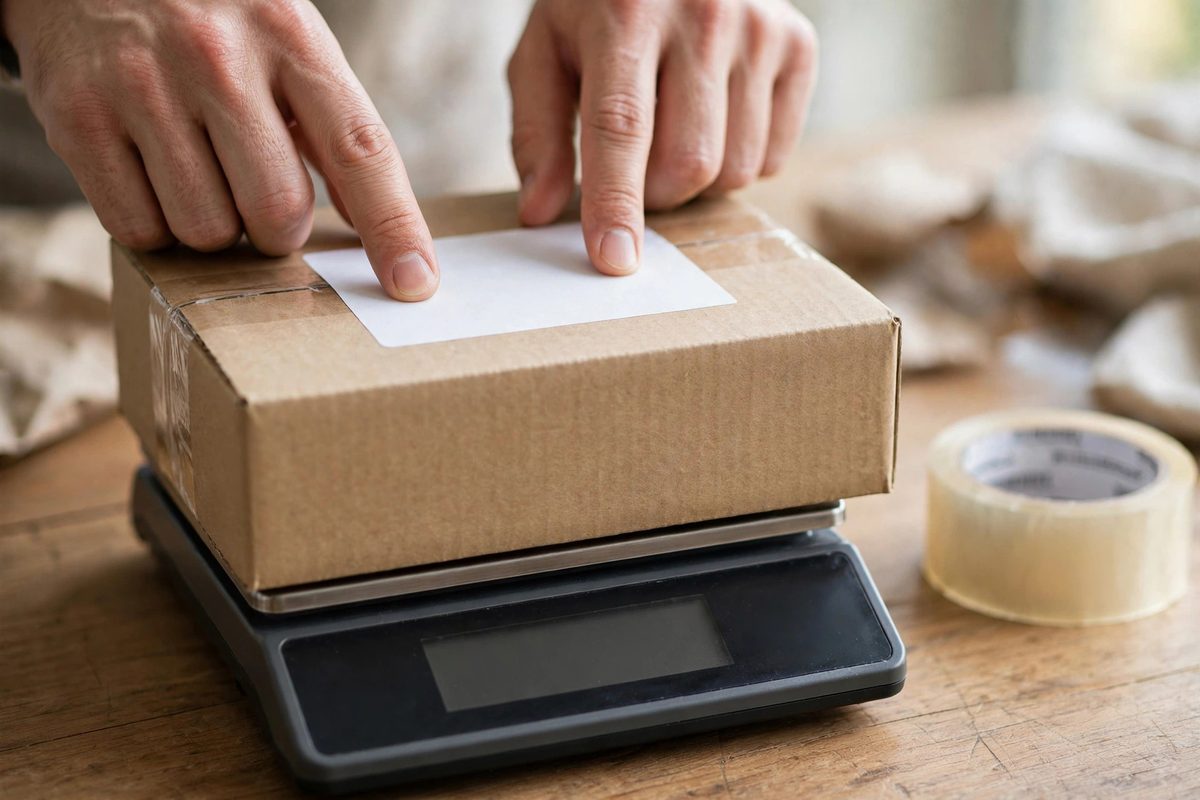
Packaging has two jobs: protect the product and not cost a fortune. Buy a small range of box sizes that fit your products snugly — oversized boxes waste money on dimensional weight charges and filler. For soft goods, poly mailers are dramatically cheaper than boxes. Order packaging in modest quantities at first; you can negotiate better prices once you know your actual volumes.
A little branding goes a long way: a custom sticker or printed tape costs pennies per order and makes the unboxing feel intentional. Save elaborate custom boxes for when you have the volume to justify the investment.
If you ship internationally, start with a small set of countries where demand is proven rather than offering worldwide shipping on day one. International orders add customs forms, duties, and longer delivery times — be upfront about all three at checkout, because surprise duty charges create exactly the same abandonment problem as surprise shipping costs. Many small stores begin with Canada, the UK, and Australia using their carrier's standard international service. Clearly state that the buyer is responsible for duties and taxes on delivery; ambiguity here is a leading cause of international disputes and negative reviews.
Finally, communicate proactively after the sale. Send tracking numbers automatically, notify shoppers of any delays before they ask, and follow up after delivery to confirm everything arrived safely. Most "where is my order" support tickets are preventable with timely updates — and every ticket you prevent is time back for growing the business.
Know When to Outsource Fulfillment
Fulfilling orders yourself makes sense until it does not. The tipping point usually comes when packing eats hours you should spend on marketing, or when shipping from one location means slow, expensive delivery to distant customers. Third-party logistics (3PL) companies store your inventory and ship orders for you, typically charging per-order pick-and-pack fees plus storage. For many stores, a 3PL becomes worthwhile around 100-200 orders per month.
Alternatives include print-on-demand and dropshipping for specific product types, which eliminate inventory entirely at the cost of thinner margins and less control. There is no single right answer — match your fulfillment model to your order volume, product type, and how much control you need over the customer experience. If shipping logistics are holding back your store's growth, a consultation with an e-commerce specialist can help you find the setup that fits your stage.
Frequently Asked Questions
What is the cheapest way to ship for a small online store?
For lightweight packages, USPS with commercial discounts (via Pirate Ship, ShipStation, or your platform) is usually cheapest. For heavier items, compare UPS and FedEx — and always buy labels online rather than at the counter.
Should I offer free shipping on my store?
Free shipping over a minimum order threshold usually lifts conversion and average order value. Set the threshold slightly above your average order value, and make sure your margins absorb the cost.
When should I use a fulfillment company (3PL)?
Consider a 3PL around 100–200 orders per month, or when packing eats time you should spend on marketing. Compare their per-order fees against your current time and shipping costs.
How do I handle ecommerce shipping for fragile items?
Use snug boxes with proper cushioning, mark packages fragile, and consider shipping insurance for high-value items. A little extra packaging is far cheaper than a refund plus a lost customer.

Muhammad Usman designs and builds high-converting websites for small businesses — and writes practical guides like this one from real project experience.
Keep Reading

Upselling and Cross-Selling Techniques for Online Stores

E-Commerce SEO: How to Rank Your Products on Google

How to Choose Product Photos That Increase Sales
Need a Website That Actually Performs?
Fixed pricing, professional build, live in weeks. Tell us about your project — free strategy call, no pressure.